Energy Performance Certificates play a vital role in the UK property market. Whether you are a landlord, letting agent, or property manager, understanding the lifecycle of an EPC is essential for maintaining compliance and ensuring your property meets current energy efficiency standards.
An EPC is not just a document. It is a legal requirement that directly affects your ability to rent or sell a property. It also provides valuable insights into energy performance, helping property owners make informed improvements.
At Tandemenergy, we support landlords and agents with reliable EPC services and ongoing compliance guidance. This guide explains how long an EPC lasts, when you should renew it, and how to manage it effectively as part of your property strategy.
What Is an EPC and Why Does It Matter?
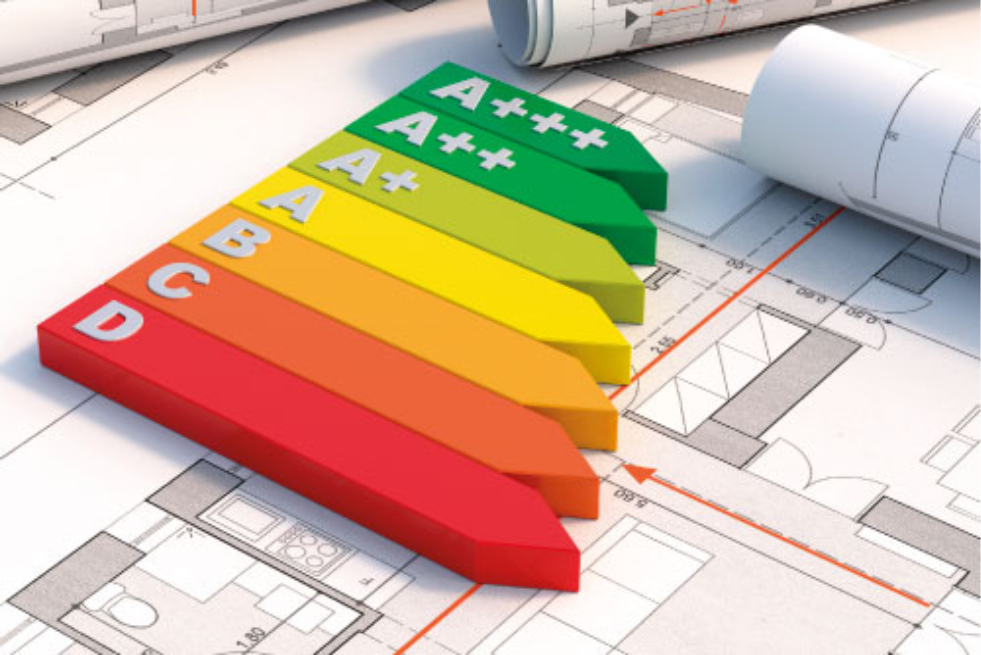
An EPC is an official certificate that measures the energy efficiency of a property. It provides a rating from A to G, with A being the most efficient.
The certificate includes recommendations on how to improve energy performance, which can help reduce energy costs and environmental impact.
For landlords and agents, having a valid EPC is a legal requirement when renting or selling a property. Without it, you may face penalties and restrictions.
You can explore our EPC services through internal pages on the Tandemenergy website to ensure your property meets all compliance checks.
How Long Does an EPC Last in the UK?
An EPC validity UK period is currently set at 10 years from the date of issue.
This means that once your certificate is issued, it remains valid for a full decade unless significant changes are made to the property that affect its energy performance.
Key Points About EPC Duration
- EPCs are valid for 10 years
- They can be reused within that period
- Renewal is required after expiry
- Updates may be needed after major property changes
While 10 years may seem like a long time, relying on an outdated EPC can impact your property’s appeal and compliance status.
When Should You Renew an EPC?
Although an EPC lasts for 10 years, there are situations where early EPC renewal is recommended or required.
Understanding when to renew ensures you remain compliant and competitive in the market.
Situations That Require EPC Renewal
- The existing EPC has expired
- You are planning to sell or rent the property
- Significant renovations have been completed
- Energy efficiency improvements have been made
- Regulations or compliance standards have changed
Renewing your EPC at the right time ensures that your property reflects its current energy performance.
Why EPC Validity Matters for Landlords and Agents
EPC validity is not just about meeting legal requirements. It directly impacts your ability to operate in the property market.
1. Legal Compliance
Landlords must provide a valid EPC before marketing a property. Failure to do so can result in fines and legal complications.
2. Tenant Attraction
Properties with better EPC ratings are more attractive to tenants. They indicate lower energy costs and improved living conditions.
3. Property Value
A higher EPC rating can enhance the value of your property and make it more competitive in the market.
4. Environmental Responsibility
Improving your EPC rating contributes to sustainability goals and reduces carbon emissions.
EPC Renewal Process Explained
Renewing an EPC is a straightforward process when handled by experienced professionals like Tandemenergy.
Steps Involved in EPC Renewal
- Book an assessment through a trusted provider
- A qualified assessor visits the property
- Energy features and performance are evaluated
- A new EPC is issued with an updated rating
This process ensures that your certificate reflects the current condition of your property.
You can arrange your EPC renewal through our internal service pages on the Tandemenergy website for a seamless experience.
How Property Changes Affect Your EPC
Any modifications to your property can impact its energy efficiency rating.
Common Changes That Require a New EPC
- Installation of new insulation
- Upgrading heating systems
- Replacing windows or doors
- Adding renewable energy solutions
Updating your Energy Performance Certificates after these changes ensures that your improvements are accurately reflected.
EPC Compliance Checks You Should Not Ignore
Compliance checks are essential for avoiding penalties and maintaining legal standards.
Important Compliance Considerations
- Ensure your EPC is valid before listing a property
- Keep records of your certificate
- Monitor expiry dates
- Stay updated with regulatory changes
Working with Tandemenergy helps you stay ahead of compliance requirements and avoid unnecessary risks.
Benefits of Keeping Your EPC Updated
Keeping your EPC current offers several advantages beyond compliance.
1. Improved Marketability
An updated EPC shows that your property meets modern standards, making it more appealing to tenants and buyers.
2. Better Energy Efficiency
Regular updates encourage property improvements that reduce energy consumption.
3. Increased Trust
Tenants and buyers are more likely to trust properties with up-to-date certifications.
4. Long-Term Savings
Energy-efficient properties often result in lower utility costs and maintenance expenses.
Common Mistakes to Avoid with EPCs
Many landlords and agents make avoidable mistakes when managing their EPCs.
1. Letting the EPC Expire
Failing to renew your EPC on time can lead to compliance issues and fines.
2. Ignoring Recommendations
EPC reports include valuable suggestions for improving energy efficiency. Ignoring them can limit your property’s potential.
3. Not Updating After Renovations
If you improve your property, updating your EPC ensures those upgrades are recognised.
4. Relying on Old Certificates
Even if your EPC is still valid, an outdated rating may not reflect your property’s current performance.
EPC Lifecycle Management Strategy
Managing your EPC effectively requires a proactive approach.
Best Practices for EPC Management
- Track your certificate duration
- Schedule reminders for renewal
- Conduct regular property assessments
- Implement energy efficiency improvements
A structured approach ensures that your property remains compliant and competitive.
At Tandemenergy, we help landlords and agents manage the full lifecycle of their EPCs through reliable services and expert support.
EPC vs Energy Efficiency Regulations
EPCs are closely linked to broader energy efficiency regulations in the UK.
- Minimum Energy Efficiency Standards : Properties must meet minimum EPC ratings to be legally rented.
- Ongoing Regulatory Changes : Energy standards continue to evolve, making it important to stay informed.
- Impact on Landlords : Failure to meet standards can result in restrictions on renting your property.
Choosing the Right EPC Service Provider
Selecting the right provider is crucial for accurate assessments and compliance.
What to Look For
- Qualified and accredited assessors
- Fast turnaround times
- Reliable customer support
- Industry experience
Tandemenergy offers professional EPC services designed to meet the needs of landlords and agents across the UK.
Conclusion
Understanding how long an EPC lasts and when to renew it is essential for maintaining compliance and maximising your property’s potential. While the standard EPC validity UK period is 10 years, proactive management ensures that your property remains competitive and aligned with current regulations.
Renewing your EPC at the right time, especially after property improvements or before listing, can enhance your property’s appeal and efficiency. It also helps you avoid legal risks and ensures a smoother rental or sales process.
At Tandemenergy, we provide expert support to help you manage your EPC lifecycle with confidence. From initial assessments to timely renewals, our services are designed to keep your property compliant and efficient.
If you need assistance with your EPC or want to ensure your property meets current standards, Contact us today to get started.