Improving energy performance has become a central priority for property owners, landlords, and businesses across the UK. With tightening regulations, rising energy costs, and growing expectations around sustainability, achieving higher Energy Performance Certificate (EPC) ratings is no longer optional, it is essential.
At the heart of this process are professional energy assessments. These assessments provide the insight needed to understand how a building performs, where inefficiencies exist, and what practical steps can be taken to improve compliance and efficiency. Through structured analysis and expert guidance, energy assessments play a critical role in achieving higher EPC ratings and long-term energy improvements.
At Tandem Energy, energy assessment services are designed to support informed decision-making, regulatory compliance, and measurable improvements in building performance.
Understanding EPC Ratings and Why They Matter
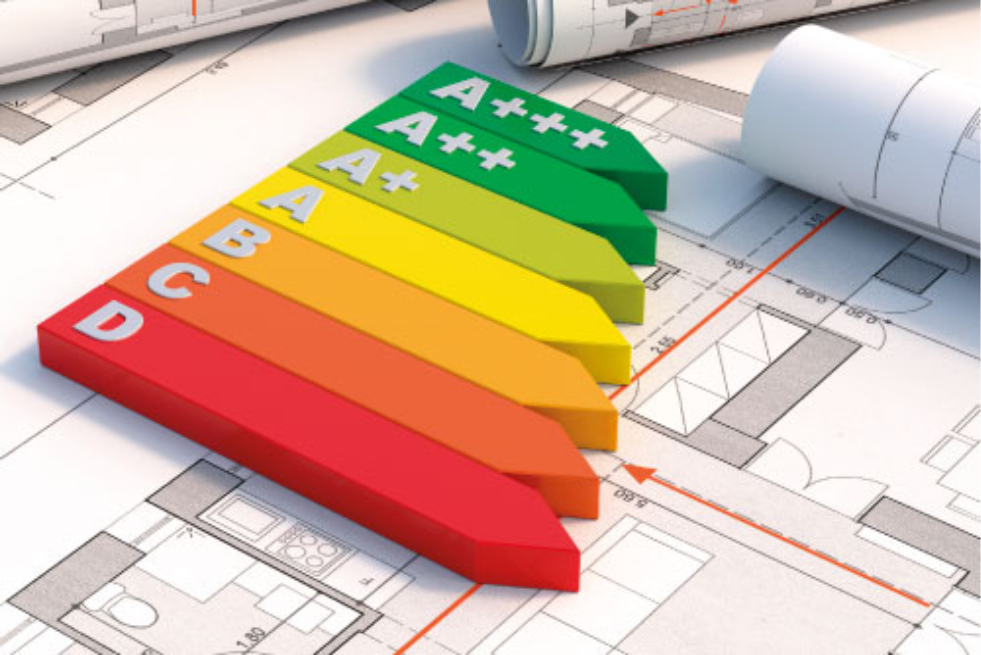
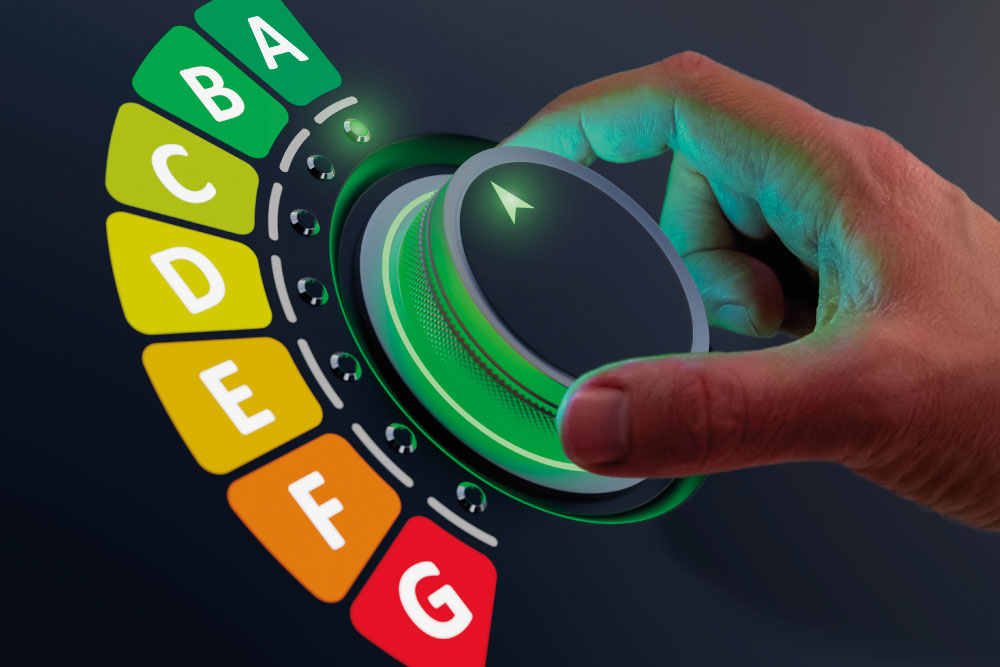
An EPC rating measures the energy efficiency of a building on a scale from A (most efficient) to G (least efficient). These ratings are used to assess how much energy a property is likely to consume and how costly it may be to run.
EPC ratings influence:
- Legal compliance for rented and commercial properties
- Property value and marketability
- Tenant and investor confidence
- Long-term operational costs
As standards continue to evolve, achieving and maintaining higher EPC ratings has become a strategic requirement rather than a one-time exercise.
What Are Energy Assessment Services?
Energy assessment services involve the systematic evaluation of a building’s energy performance. This includes reviewing how energy is used, identifying inefficiencies, and recommending improvements that support compliance and sustainability goals.
Energy Assessment Services
Professional energy assessment services provide a structured approach to understanding building performance. These services are designed to:
- Analyse energy use across systems and structures
- Identify areas of excessive energy consumption
- Assess compliance with regulatory requirements
- Support improved EPC ratings
Through expert assessment, property owners gain clarity on where improvements will have the greatest impact.
The Link Between Energy Assessments and EPC Improvements
EPC ratings are based on specific data points, including insulation, heating systems, lighting, and overall building fabric. Without a detailed assessment, it can be difficult to identify which factors are holding a property back.
Energy assessments bridge this gap by providing:
- Accurate performance data
- Clear identification of inefficiencies
- Actionable recommendations aligned with EPC criteria
This targeted approach ensures that improvement efforts are effective, cost-efficient, and aligned with regulatory expectations.
MEES Energy Audits and Regulatory Compliance
Minimum Energy Efficiency Standards (MEES) set clear requirements for rented commercial and residential properties. Failing to meet these standards can result in restrictions on leasing and potential penalties.
MEES Energy Audits
MEES energy audits are designed to assess whether a building meets current minimum standards and what steps are required to improve compliance.
These audits help property owners to:
- Identify MEES compliance gaps
- Understand EPC rating implications
- Prioritise improvement measures
- Plan upgrades in line with regulations
MEES energy audits form a crucial foundation for achieving higher EPC ratings while reducing compliance risks.
The Importance of Building Surveys in Energy Performance
A building’s physical structure has a significant impact on its energy efficiency. Elements such as walls, roofs, glazing, and insulation all influence heat retention and energy demand.
Building Surveys
Professional building surveys assess the condition and performance of these elements. They provide insight into how the building fabric contributes to energy loss and where upgrades may be required.
Building surveys support EPC improvements by:
- Identifying thermal inefficiencies
- Highlighting outdated or underperforming materials
- Informing upgrade priorities
- Supporting accurate energy modelling
By understanding the building at a structural level, energy assessments become more precise and effective.
Efficiency Consultancy: Turning Data Into Action
Collecting data is only part of the process. To achieve higher EPC ratings, assessment findings must be translated into practical improvement strategies.
Efficiency Consultancy
Efficiency consultancy provides expert interpretation of assessment results and guidance on implementing improvements. This consultancy approach ensures that recommendations are realistic, prioritised, and aligned with business objectives.
Efficiency consultancy supports:
- Strategic planning for energy upgrades
- Cost-effective improvement pathways
- Alignment with compliance and sustainability goals
- Long-term energy performance improvements
With expert guidance, property owners can move confidently from assessment to action.
Identifying Key Areas That Impact EPC Ratings
Energy assessments service focus on the factors that have the greatest influence on EPC outcomes. These typically include:
- Heating and cooling systems
- Lighting efficiency
- Insulation and building fabric
- Ventilation and controls
By targeting these areas, assessments help ensure that investments deliver meaningful improvements in EPC scores rather than incremental gains.
Supporting Cost-Effective Energy Improvements
One of the key benefits of energy assessments is their ability to prevent unnecessary expenditure. Rather than implementing broad upgrades without clear impact, assessments identify where improvements will provide the best return.
This approach allows property owners to:
- Focus on high-impact measures
- Phase improvements over time
- Align upgrades with budgets
- Avoid ineffective or redundant works
Cost-effective planning is essential for sustainable, long-term EPC improvement strategies.
Energy Assessments for Commercial Properties
Commercial buildings often have complex energy demands due to size, occupancy, and operational requirements. Energy assessments help untangle this complexity by providing tailored analysis.
For commercial properties, assessments support:
- Compliance with MEES regulations
- Improved EPC ratings for leasing
- Reduced operational energy costs
- Enhanced asset value
Professional assessments ensure that commercial spaces remain competitive, compliant, and efficient.
Enhancing Sustainability Credentials Through EPC Improvements
Higher EPC ratings contribute directly to sustainability objectives. Reduced energy consumption lowers carbon emissions and supports broader environmental goals.
Energy assessments help organisations demonstrate:
- Commitment to responsible energy management
- Alignment with sustainability frameworks
- Progress toward environmental targets
This alignment strengthens reputation and supports long-term organisational resilience.
Consistency Across Property Portfolios
For organisations managing multiple properties, maintaining consistent energy performance can be challenging. Energy assessments provide a standardised approach across portfolios.
This consistency allows property managers to:
- Compare performance across assets
- Prioritise upgrades strategically
- Ensure compliance across locations
- Maintain uniform EPC standards
Portfolio-wide assessment strategies support both efficiency and compliance at scale.
Adapting to Changing Regulations and Standards
Energy regulations continue to evolve, and EPC requirements are expected to become more stringent over time. Energy assessments help future-proof buildings by identifying long-term improvement opportunities.
By taking a proactive approach, property owners can:
- Anticipate regulatory changes
- Plan upgrades in advance
- Reduce future compliance pressures
This forward-looking strategy minimises disruption and supports sustained energy performance.
The Value of Ongoing Energy Assessment
Energy performance is not static. Changes in occupancy, usage patterns, and building systems can all affect efficiency over time.
Ongoing energy assessments ensure that:
- Performance improvements are maintained
- New inefficiencies are identified early
- EPC ratings remain accurate and compliant
Regular reviews support continuous improvement rather than reactive compliance.
Why Choose Tandem Energy for Energy Assessments
Tandem Energy provides professional energy assessment services tailored to regulatory compliance and performance improvement. With a structured, practical approach, their services support informed decisions and measurable results.
Their expertise includes:
- MEES energy audits
- Building surveys and analysis
- Efficiency consultancy
- EPC improvement strategies
By working with Tandem Energy, property owners gain access to reliable insights and clear pathways to higher EPC ratings.
Achieving Higher EPC Ratings Through Informed Action
Energy assessments are not simply compliance tools, they are strategic resources. By identifying inefficiencies, prioritising improvements, and supporting informed investment, assessments play a central role in improving EPC ratings.
From MEES compliance to long-term sustainability planning, professional energy assessments provide the foundation for effective energy management.
Final Thoughts: Energy Assessments as a Strategic Investment
The role of energy assessments in achieving higher EPC ratings cannot be overstated. They provide clarity, direction, and confidence in an increasingly regulated and sustainability-focused environment.
By combining MEES energy audits, building surveys, and efficiency consultancy, property owners can take a proactive, structured approach to improving energy performance. For tailored guidance and expert advice, property owners are encouraged to reach out via the Contact Us to discuss their building’s energy performance goals and compliance needs.
To learn more about professional energy assessment services or to discuss your specific requirements, visit Tandem Energy or contact the team today.